

Day Trips from Fukuoka: Dazaifu, Yanagawa & a Night at a Samurai Ryokan
This second part in our Fukuoka feature covers Dazaifu, Yanagawa and Yame - unmissable day trips from Fukuoka City in Kyushu, southern Japan – plus one of our favourite stays in recent memory, a ryokan with a rich samurai history. Part one
After an all-too-brief stay in Fukuoka, we set off to explore two of Kyushu's most captivating destinations - the ancient town of Dazaifu and the enchanting canal city of Yanagawa, both easy day trips from Fukuoka City.
Dazaifu: Ancient Shrine City & Gateway to Japan's Past
Dazaifu is 30 minutes from Fukuoka by Nishitetsu express train and was once the administrative capital of Kyushu. Its proximity to Korea and China made it one of Japan's earliest gateways to the outside world from the 7th century onwards - perhaps one of the reasons the area is still so welcoming to visitors.
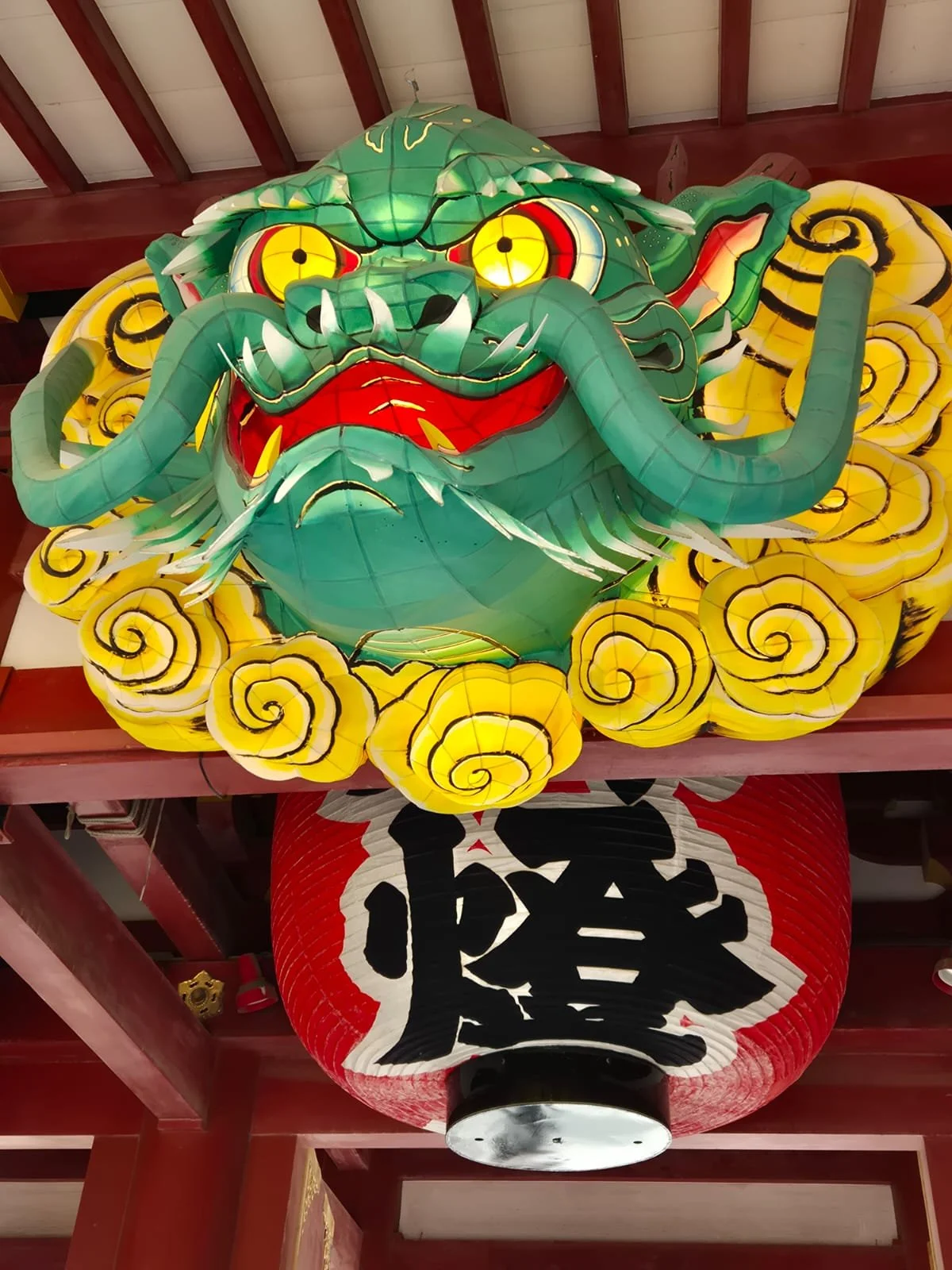
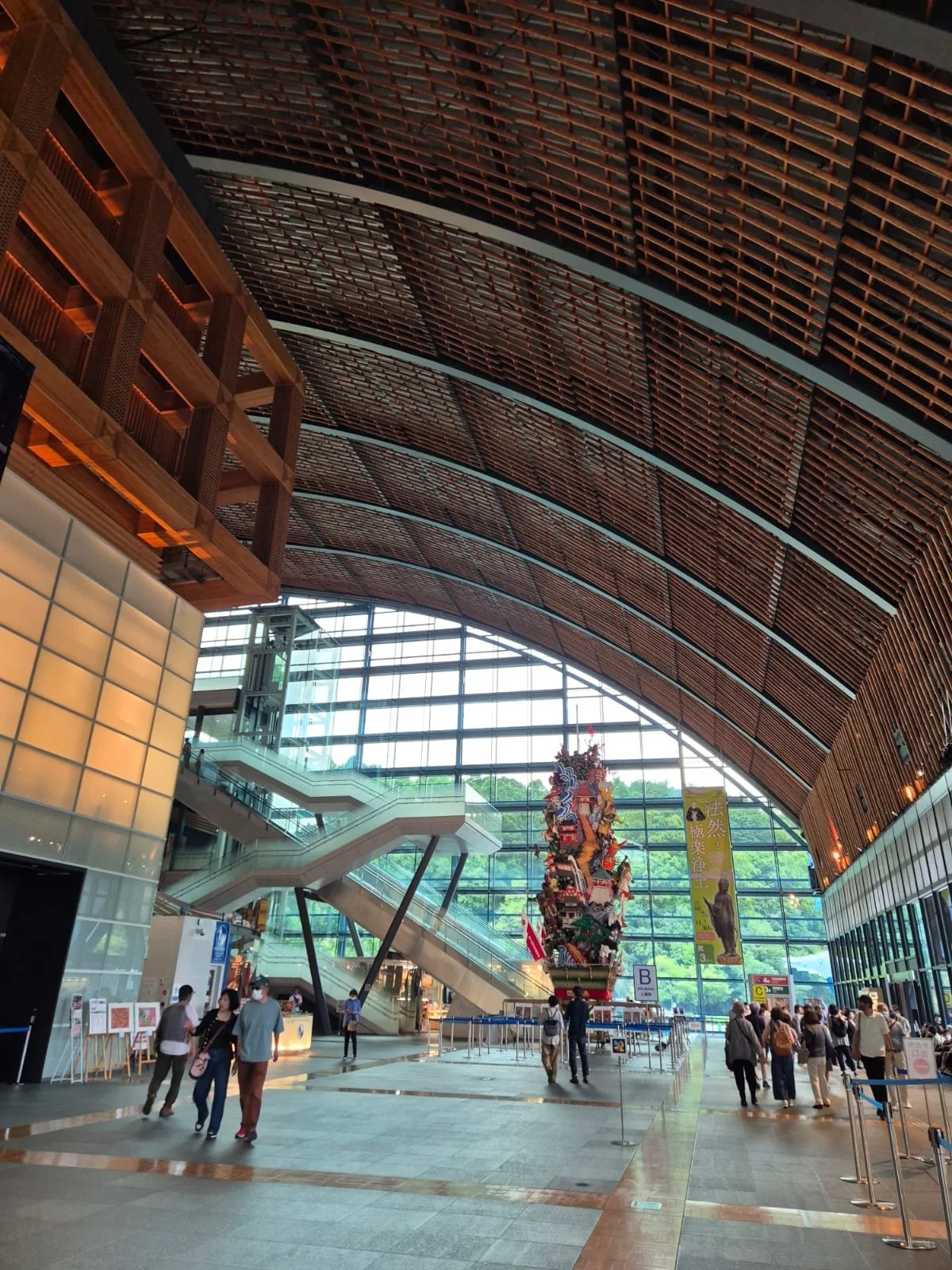
Today it is famed for the stunning Dazaifu Tenmangu Shrine and the impressive Kyushu National Museum, well worth a visit for the building’s architecture, but also its coverage of Japan's history from the Palaeolithic era to the Edo period. Dazaifu is thought to be especially auspicious for students undertaking their university entrance exams and omamori (amulets) bringing luck for studies are particularly sought after here.
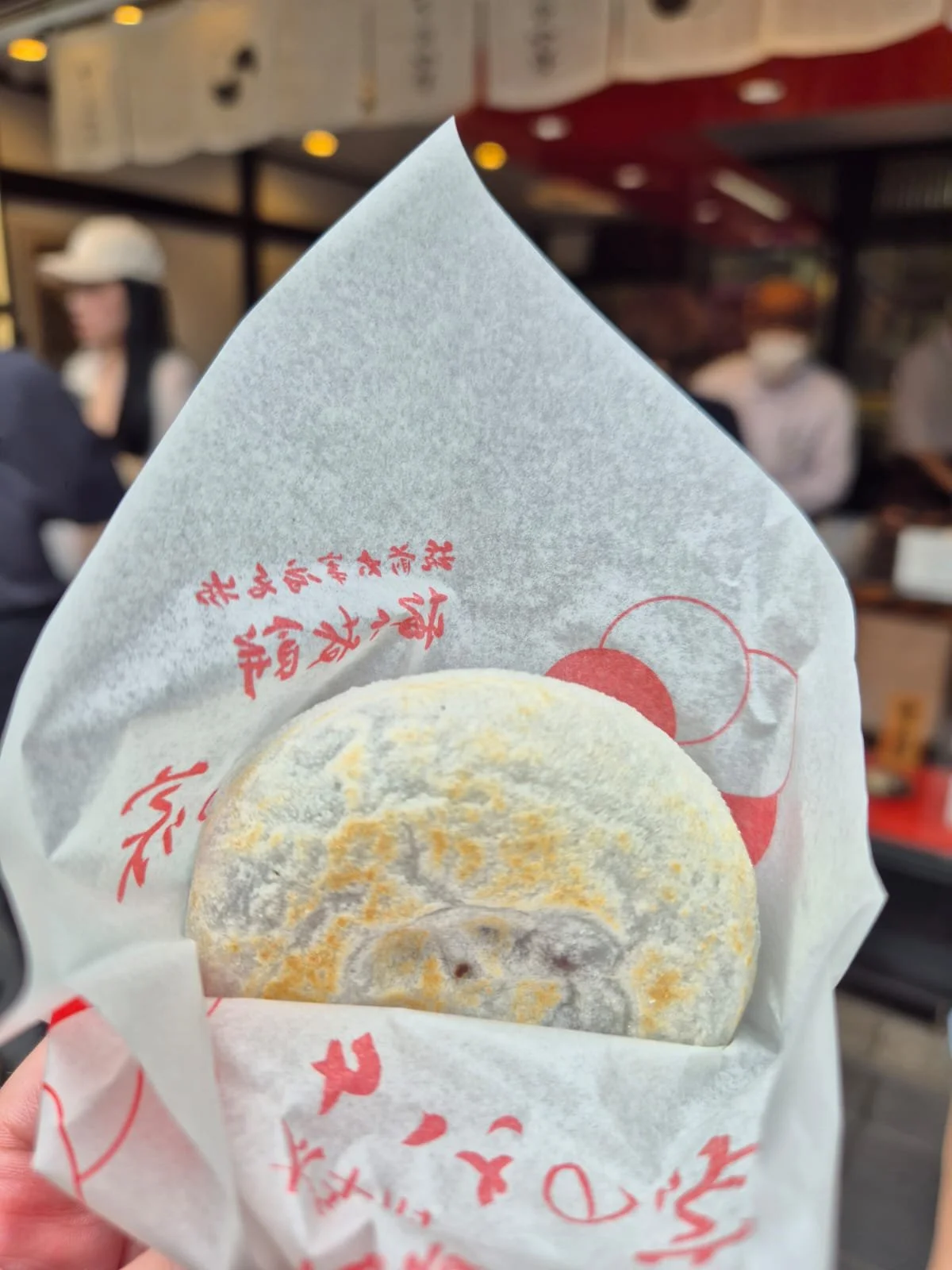
The shrine approach is lined with traditional buildings, once lodgings for those paying pilgrimage, and now housing an array of shops and cafes. Be sure to sample one of the delicious local umegae mochi sold by many of the vendors - the topic of which vendor sells the tastiest version of these red bean paste filled treats is hotly contested amongst locals!
We were struck by the incredible beauty and serenity of the shrine. Despite welcoming around 10 million visitors each year, there was an ethereal tranquillity that took us by surprise.
Yanagawa: A City of Canals
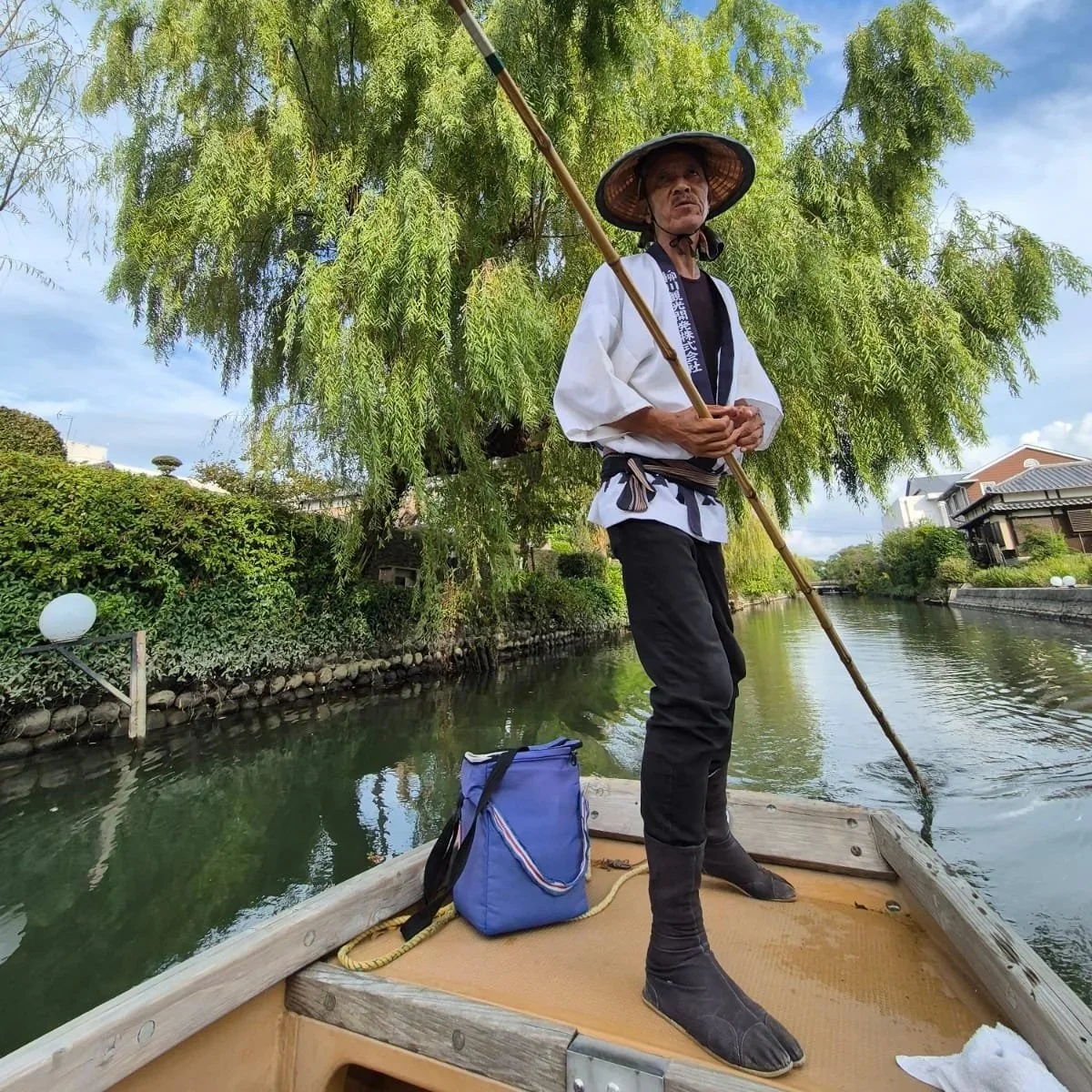
Departing Dazaifu, we took the Nishitetsu train to the charming village of Yanagawa on our way to Ryokan Ohana Yanagawa. Guests at Ohana are treated to a most original transfer to the property - a traditional donkobune boat through Yanagawa's canals. Our sendō (traditional boatman) regaled us with stories of Yanagawa’s history, past and present and serenaded us with local ditties as we meandered through the scenic canals.
Ryokan Ohana: A Samurai Legacy
Upon arrival at Ohana we were awestruck. This spectacular property, set in 23,000㎡of grounds is run by the 18th generation of the Tachibana family – a former samurai clan. The property itself is more than 400 years old and is a rare slice of Japanese history being designated a national cultural asset.
We were greeted by the warmest of staff, including the 18th generation proprietress herself whose flawless English stems from an exchange to Western Australia as a schoolgirl.
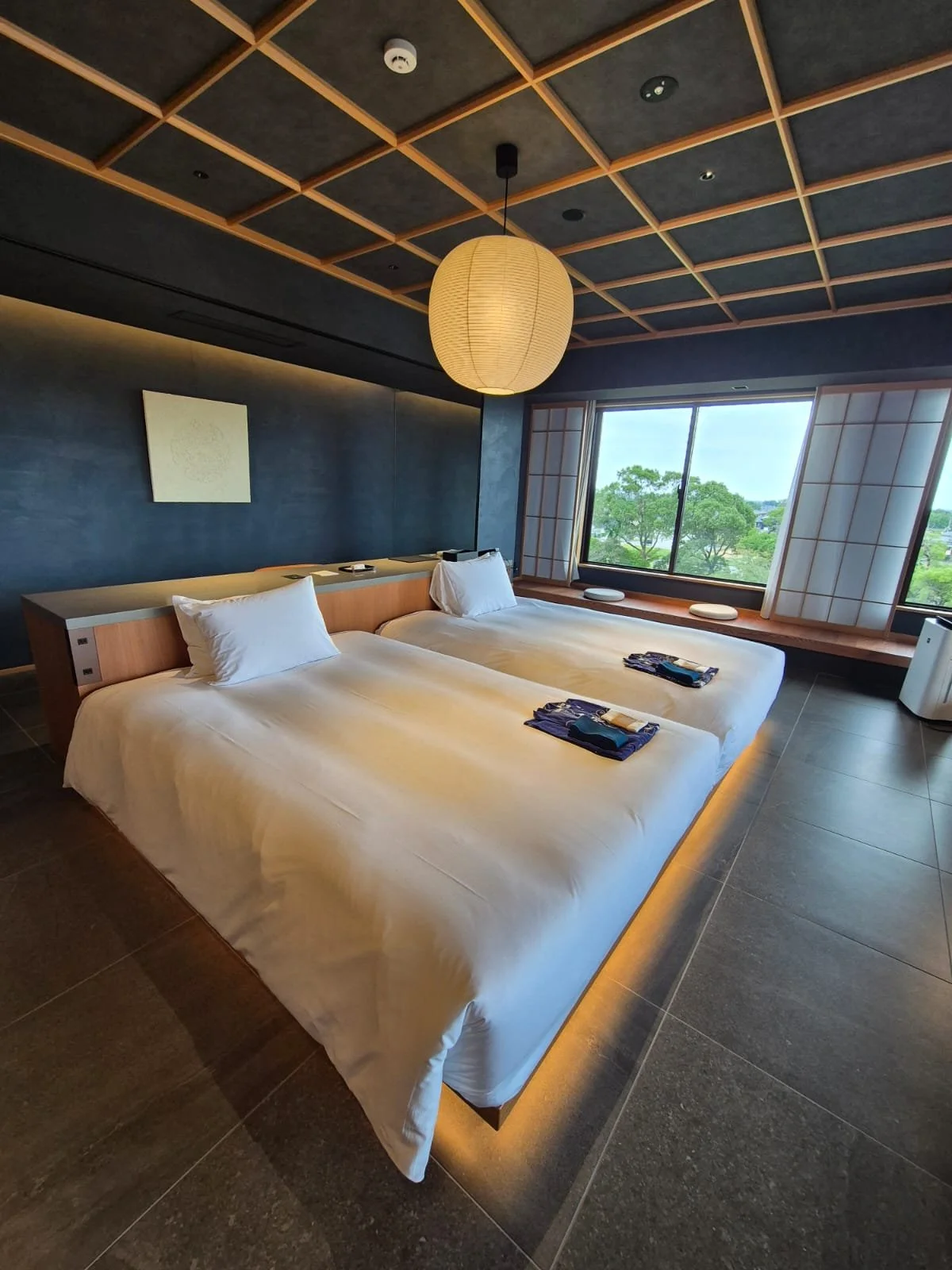
Guest accommodation is located in a new building overlooking the original estate and grounds and is nothing short of spectacular. Our generously sized room commanded views of the traditional Japanese garden. The room, Kuromatsu (black pine), takes the name of the symbolic tree of Ohana, signifying eternity. The design aesthetic is pared back luxury with rooms featuring striking artworks by well-known Japanese artists.
We were fortunate enough to be taken on a tour of the original samurai estate which is beautifully decorated with samurai artifacts, and it’s not hard to imagine the original Tachibana clan wandering the halls in all their finery. A kaiseki dinner later that night featuring local produce is served in a private dining room and proves to be a highlight.
Sadly, we had to farewell Ohana the following morning. Feeling sated after an excellent breakfast, we departed for Hoshinomura Village tea farm in Asakura, Fukuoka.
Hoshinomura: Tea Country
Driving through the picturesque tea farms to Hoshinomura, we arrived at the local Tea Museum. Here we experienced tasting, roasting and grinding our own matcha (powdered green tea) and hojicha (roasted green tea).
There’s something quite special about taking in the expansive views of verdant tea farms while savouring a cup of tea made from leaves roasted by your own hand – not to mention the delicious wagashi (traditional Japanese confectionary). A remarkable end to our time in Fukuoka Prefecture, we can’t wait to return.
Planning your own Kyushu journey? Talk to our Japan experts today →
About the author
Marnie McLaren is the founder of The Japan Concierge, a Sydney-based travel agency specialising in bespoke, expertly curated Japanese experiences. Her love affair with Japan began as a wide-eyed teenager on a school trip - an encounter that set the course for everything that followed. She went on to learn Japanese, live in Japan, and eventually build a career around sharing the country she knows and loves with travellers seeking something beyond the well-worn path.
With visits to more than 300 cities across 40 countries, Marnie brings both global perspective and deep local knowledge to her work. The experiences she writes about are ones she has sought out, stayed in, and eaten at herself - and her recommendations are all the better for it.
Keen to plan a trip? Talk to Marnie and the team.
Getting There
Fukuoka to Dazaifu - The journey from Nishitetsu Fukuoka (Tenjin) Station to Dazaifu takes around 30 minutes and requires one simple transfer. Trains run frequently throughout the day and the route is well signposted in English.
Dazaifu to Yanagawa The Nishitetsu limited express to Yanagawa takes around 45 minutes, making it an easy onward journey from Dazaifu.
Ticket Options If you're visiting both Dazaifu and Yanagawa in a single day, Nishitetsu's Dazaifu and Yanagawa Sightseeing Ticket Pack combines round-trip train travel from Fukuoka with a Yanagawa punting cruise ticket. It's excellent value and makes for smooth sailing (pun intended!) on the day.
Entry Fees & Opening Hours The grounds of Dazaifu Tenmangu Shrine are free to enter. A combined museum ticket covering the Dazaifu Tenmangu Museum, the Kanko History Museum, and the Kyushu National Museum's Cultural Exchange Exhibition Hall is available for ¥1,000. The shrine museum opens at 9:00am, with last admission at 4:00pm, and closes on Mondays (except national holidays)
Getting around All of Dazaifu's main attractions sit within a kilometre and a half of the station and are easily explored on foot – you can also hire a bike to reach some of the further sites (see below). Allow a comfortable half day for the shrine approach, the Tenmangu grounds, and the National Museum.
Practical Tips
IC cards (Suica, ICOCA) are accepted across Nishitetsu services and make hopping between stops seamless so there’s no need to queue for tickets each time.
Dazaifu is most atmospheric on weekday mornings before tour groups arrive. Weekends and exam season (January to February) draw the largest crowds.
Bicycles can be rented at Dazaifu Station for ¥600 per day (or ¥1,100 for an e-bike), open 9:00am to 8:00pm - a great way to reach the quieter corners of town beyond the shrine precinct.