

Japanese Food Etiquette: The Essential Guide for Visitors to Japan

Dreaming about visiting Japan? There's a very strong chance that part of the appeal is the food. Here at The Japan Concierge, we're of the opinion that the food alone is reason enough to book a ticket. We'd happily fly to Tokyo for sushi, to Osaka for takoyaki, or to Fukuoka for some of their incredible ramen. And we think you should too.
Japan's food culture is also one of its most nuanced. Get it right and meals become some of the most memorable moments of your entire trip. The tips below draw on years of dining across Japan - from standing ramen counters in Hakata to kaiseki rooms in Kyoto - and are here to help you navigate the table with a bit of confidence.
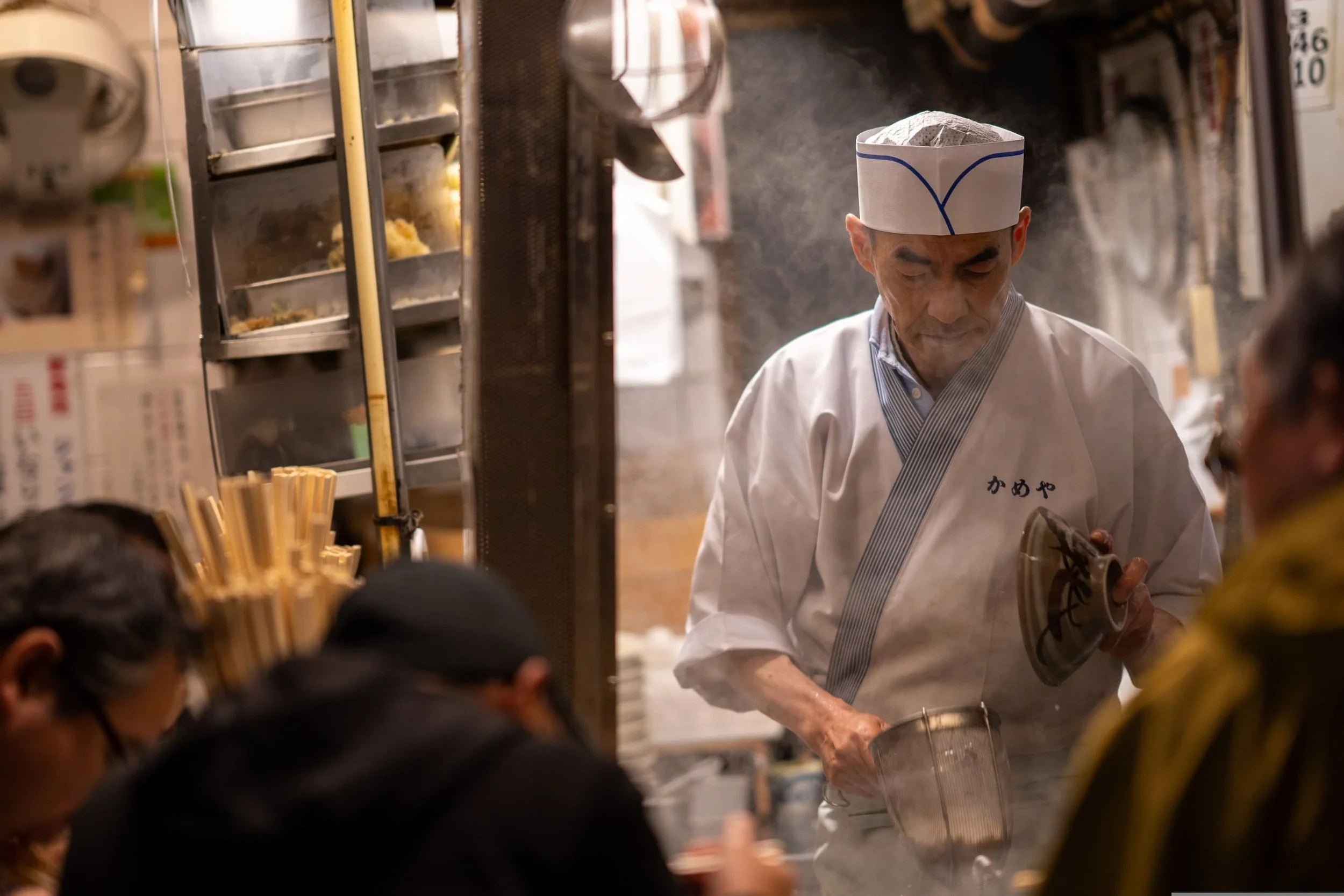
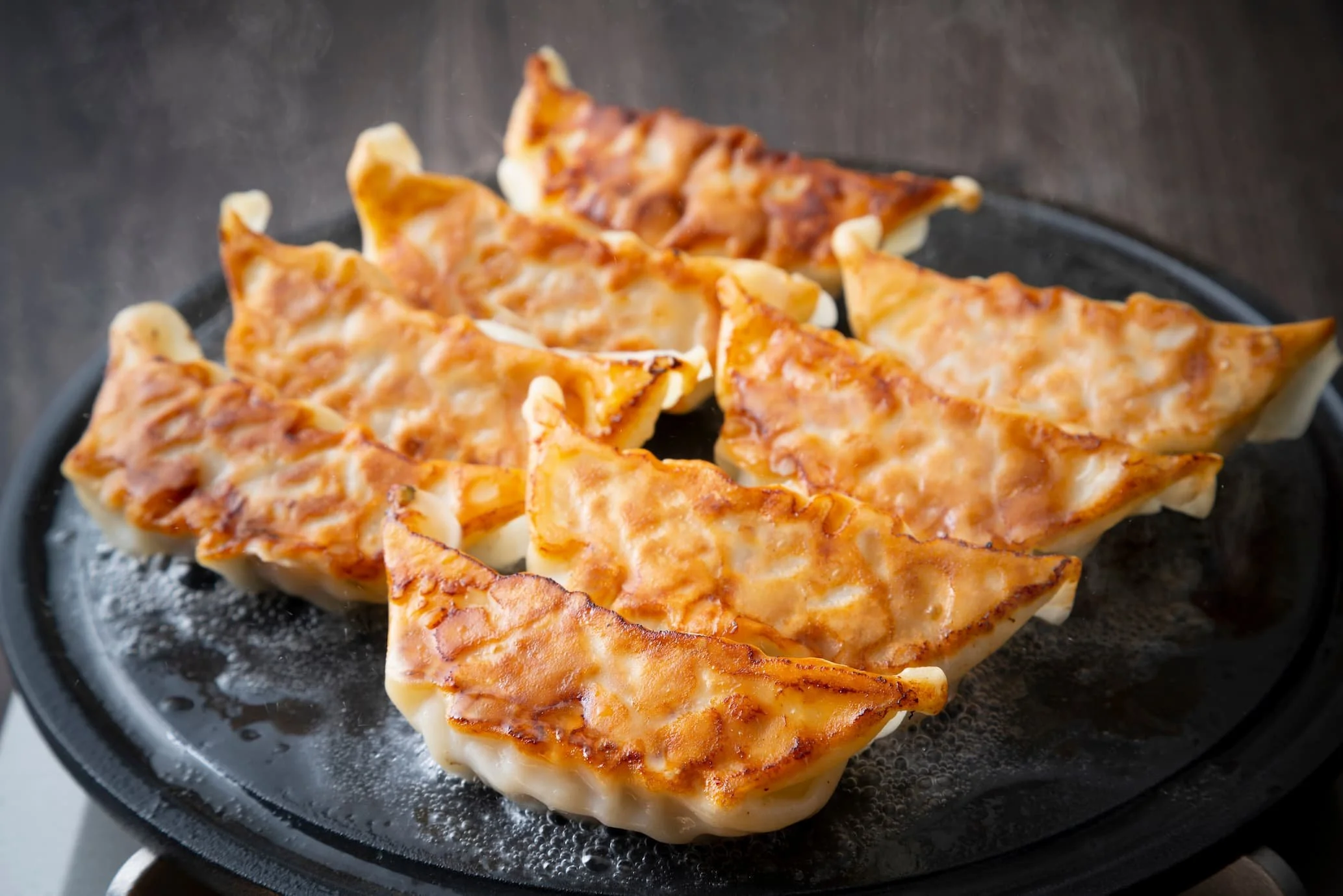
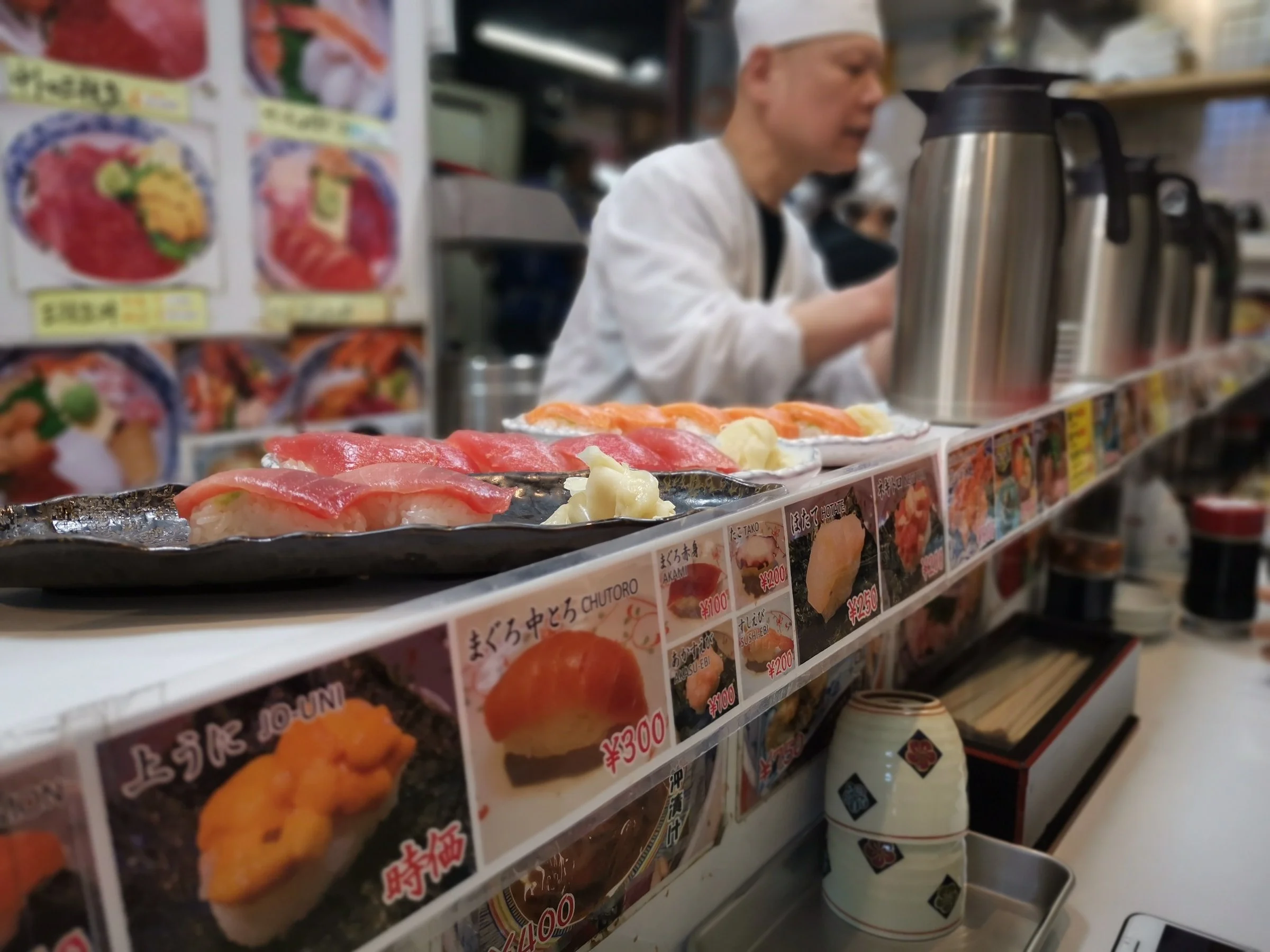

Why Dining in Japan Is Unlike Anywhere Else
Tokyo has held the title of the world's most Michelin-starred city for nineteen consecutive years. The Michelin Guide Tokyo 2026 lists 160 starred restaurants across a total selection of 526 establishments: 12 with three stars, 26 with two and 122 with one. In a single city. It's a remarkable thing.
But Japan's food culture goes well beyond fine dining. The country's conbini(convenience stores) - Family Mart, 7-Eleven, Lawson - are a genuine destination in their own right. High quality, low cost, and the snacks have earned a devoted following around the world, including from chefs David Chang and Anthony Bourdain (RIP) who makes no secret of thier love for them. Then there are the depachika, the food halls in the basements of department stores. If you haven't been, you're not prepared for what you'll find - the range and quality is extraordinary.
As with any food culture with a rich history, there are some etiquette rules that can catch visitors off guard. Here's what you need to know.
Before You Eat: The Rituals That Matter
Itadakimasu
What does itadakimasu mean? Before eating, Japanese diners say itadakimasu (pronounced ee-tah-DAH-kee-muss) - a word of gratitude that roughly means "I humbly receive." It's said at every meal, in every setting, from a convenience store onigiri to a three-star omakase counter. Saying it as a visitor is always appreciated, and it costs nothing to learn.
When you finish, gochisousama deshita ("thank you for the meal / it was a feast") is the way to close. Learn both. The Japanese will be genuinely delighted that you bothered.
Oshibori
Most restaurants will give you an oshibori - a small rolled towel, warm in winter, cool in summer. It's for your hands before eating, not your face. Use it accordingly and set it aside.
Chopstick Etiquette in Japan
Chopsticks carry some rules that are purely practical, and some that run much deeper.
The two things you must never do:
Stand chopsticks upright in a bowl of rice. This is closely associated with funeral rites and is one of the more serious table errors you can make.
Pass food directly from your chopsticks to someone else's. This mirrors a funeral ritual involving cremated bones and is considered genuinely offensive. Don't do it.
A few other things worth knowing:
Many restaurants provide disposable chopsticks (waribashi), even good ones. Rubbing them together after separating them implies the chopsticks are cheap, which reflects on your host. Just don't.
Treat them like any other cutlery. Don't wave them around, point with them, or use them as drumsticks.
Resting between bites? Lay them across your bowl or on the chopstick rest (hashioki) if there is one.
Dining Etiquette in Japanese Restaurants
Slurping noodles
Is it rude to slurp noodles in Japan? No. Slurping ramen, soba or udon is completely fine and widely taken as a sign that you're enjoying yourself. Don't hold back.
Soy sauce
Waste is frowned upon in Japanese culture, and soy sauce is no exception. Pour a small amount into the dipping bowl - a teaspoon is plenty - and top up as you go rather than filling it to the brim.
Don't smell your food
This surprises a lot of visitors. Smelling your food before eating suggests you're questioning what's been served, which is rude. Just eat it.
Gari (pickled ginger) at sushi restaurants
Gari - the thinly sliced pickled ginger that arrives with sushi - is a palate cleanser. It's there to eat between pieces of sushi, not alongside them. In any setting where this matters, it really does matter.
Toliet Slippers
One thing that often trips up even the most seasoned visitors to Japan is toilet slippers. In restaurants where you are required to remove your shoes - toilet slippers are provided in the toliets, for obvious reasons. These slippers should NEVER be worn outside of the toilet area.
Wasabi and Sushi
In high end sushi restaurants, the chef will add wasbi to the sushi, if the dish requires it. They will ask if you would like wasabi. In other sushi restaurants, the form is to put the wasabi on each individual piece yourself - not mix it into your soy sauce.
Portion sizes and leftovers
Japanese portions are generally smaller than in the West, and food wastage is taken seriously. Order what you can eat. Most restaurants won't offer takeaway containers for leftovers - it's not really a thing here - so don't be surprised if the answer is no.
Drinking Etiquette in Japan
Pour for others, not yourself
The single most important drinking rule: if drinks come in a bottle or carafe, don't pour your own. You top up the people around you, they top up you. Keep an eye on everyone's glass, not just your own. And when someone pours for you, lift your glass slightly from the table with both hands to receive it.
Sake
Despite the small cups (ochoko), sake is not a shot. Sip it the way you'd drink a glass of wine - slowly, over the meal. It's a drink worth paying attention to.
Kanpai
Drinking starts with a kanpai - Japan's version of cheers. Wait until everyone has a drink and the kanpai has been said. Then you're good.
Understanding the Bill in Japan
Otoshi (seating charges)
What is otoshi in a Japanese restaurant? Many izakaya and some restaurants charge a small fee per person, known as otoshi. It usually comes with a small dish of food - something you didn't order. The charge is typically between ¥200 and ¥1,000 per person. It's standard practice and it's not aimed at tourists. It's also not negotiable, whether or not you eat the dish.
The bill
When you ask for the check in Japan, don't be surprised to receive a small slip of paper with just the total on it - no line items. This is normal, especially at smaller places. The expectation is simply that you trust them. To ask for it, catch a staff member's eye and cross your index fingers into a small "X," or say okaikei onegaishimasu ("the bill, please").
Tipping in Japan
Is it rude to tip in Japan? Histrorically there is no tipping culture in Japan. So, yes, it is sometimes consdered to be rude or at the very least can cause real confusion. It was the case that leaving money on the table could result in staff chasing you down to return your "forgotten change." In recent years there has been a bit of change in regards to tipping. The large numbers of international visitors and their inclination to tip has meant that tipping is starting to be come more common plance. Especaily in Western hotels and high end restaaurants, which sometimes add a service charge automatically.
If a tip is expected then it will automatically be added to the bill. Otherwise there is not expectation to tip and as a general rule it is not a required but don’t be surpised if a tip is included.
Cash vs Card in Japan
Japan is still more cash-dependent than most comparable countries, particularly at smaller and older establishments. Always carry enough yen to cover your meal. Bigger restaurants and chains are getting better with cards, but outside major cities especially, cash is the safer assumption.
Eating on the Go in Japan
Can you eat while walking in Japan? Generally no, it's considered poor manners. Same goes for eating on commuter trains and subways. If you've picked something up from a conbini or depachika (and you absolutely should), find somewhere to sit before you eat. Head to the roof terrace of department stores to find somewhere to eat your bounty.
Long-distance trains are the exception. Buying an ekiben (station bento box) and eating it on the Shinkansen is one of the quiet pleasures of travelling in Japan, and something we recommend to every client without hesitation.
When in Doubt, Just Ask
Japan's food culture runs deep and it can be bewildering, especially the first time. If you're not sure what to do at the table, ask. The Japanese are thoughtful hosts and will be genuinely pleased you made the effort to engage with their customs. No question is too small, we ask questions ourselves every time we're there.
The food alone is reason enough to go. These tips will just help you enjoy every meal a little more.
Planning a trip to Japan? Talk to Marnie and the team.
FAQ: Japanese Dining Etiquette
Is it rude to tip in Japan? Yes, or at least it will cause confusion. Tipping isn't part of Japanese dining culture and staff will likely run after you to return what they think is forgotten change. Some larger Western hotels add a service charge automatically, but that's the exception.
What are the chopstick rules in Japan? The two big ones: never stand chopsticks upright in rice (it's associated with funerals), and never pass food from chopstick to chopstick (same reason). Beyond that, don't rub disposable chopsticks together, don't wave them around, don't use them as pointers.
Is it rude to slurp noodles in Japan? No. Slurping ramen, soba and udon is completely acceptable and often read as enjoyment. Go ahead.
What does itadakimasu mean?Itadakimasu is said before eating and roughly means "I humbly receive." It's an expression of gratitude for the meal. At the end, gochisousama deshita is the equivalent sign-off - "thank you for the feast."
What is otoshi in a Japanese restaurant?Otoshi is a small compulsory dish that comes with a cover charge at many izakaya and some restaurants. Typically ¥200 to ¥1,000 per person. It's standard practice, not something aimed at tourists, and it's not negotiable.
Can you eat while walking in Japan? Generally no, it's considered bad manners, as is eating on commuter trains. Long-distance trains like the Shinkansen are the exception; eating an ekiben on board is perfectly normal and genuinely recommended.
What is gari and how should it be eaten at a sushi restaurant?Gari is the pickled ginger that comes with sushi. It's a palate cleanser to eat between pieces - not at the same time as sushi or sashimi. In any serious sushi setting, this matters.
Is Japan a cash-only country? Not entirely, but it remains more cash-dependent than most countries. Smaller and older establishments often don't take cards. Carrying enough yen is always the safer bet, especially outside the big cities.
What is oshibori?Oshibori is the small rolled towel - warm or cool depending on the season - that most restaurants bring before your meal. It's for your hands only. Not your face.
About the Author
Marnie McLaren is the founder of The Japan Concierge, a Sydney-based travel agency specialising in bespoke Japanese experiences. Her love affair with Japan began as a teenager on a school trip - an encounter that set the course for everything that followed. She went on to learn Japanese, live in Japan, and build a career around sharing the country with travellers who want something beyond the well-worn path.
With visits to more than 300 cities across 40 countries, Marnie brings both global perspective and deep local knowledge. The experiences she writes about are ones she has sought out, tasted, and lived herself.
Plan a bespoke Japan trip with Marnie and the team